
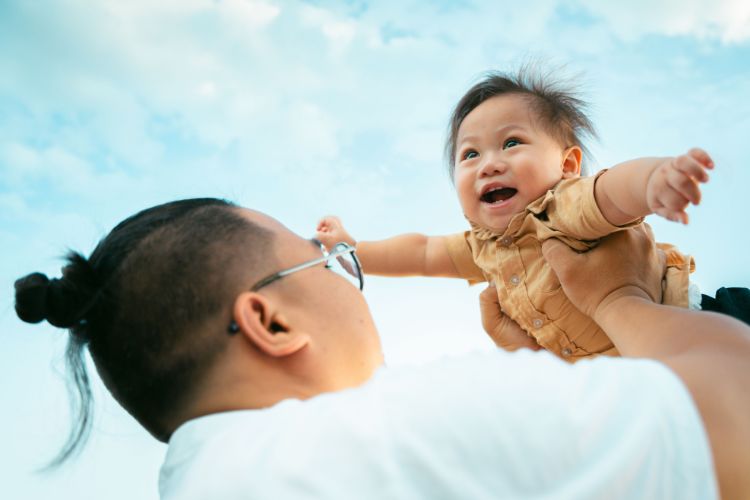
We can avoid challenges and, for a while at least, this might feel comfortable. But it has a price. Living courageously is not easy, but it leads to growth, fulfilment and greater sense of joy in your life.
Nathaniel Marsh
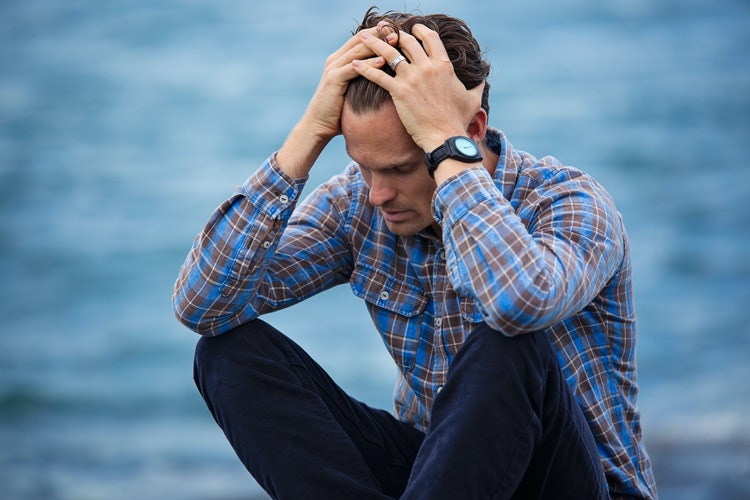
Coercion strips people of genuine choice, and when institutional power is used to intimidate vulnerable families, autonomy, dignity and trust can quickly disappear.
Patrick O'Connor

The ‘mental load’ is trending online as a woman’s burden. But if we only count tasks and time, we miss half the story – because someone also sets the standard, and that makes a big impact on the dynamic.
Byron and Francine Pirola

A family separated by legal battles and immigration barriers finds strength in faith, technology and love as a father remains deeply involved in his children’s lives from afar.
Jean Seah
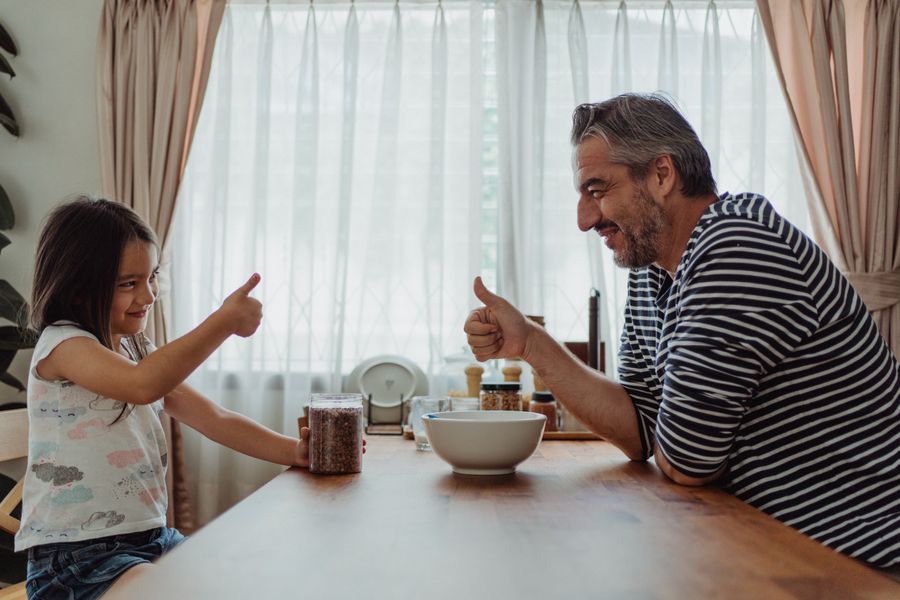
The patterns fathers establish today can shape their families for decades. Thinking ahead with small, intentional choices now can build stronger relationships, lasting faith and a legacy worth passing on.
National Center for Fathering

The gender war is not merely an online spectacle. Its consequences are reshaping families, schools and workplaces, leaving both men and women struggling.
Lisa Britton
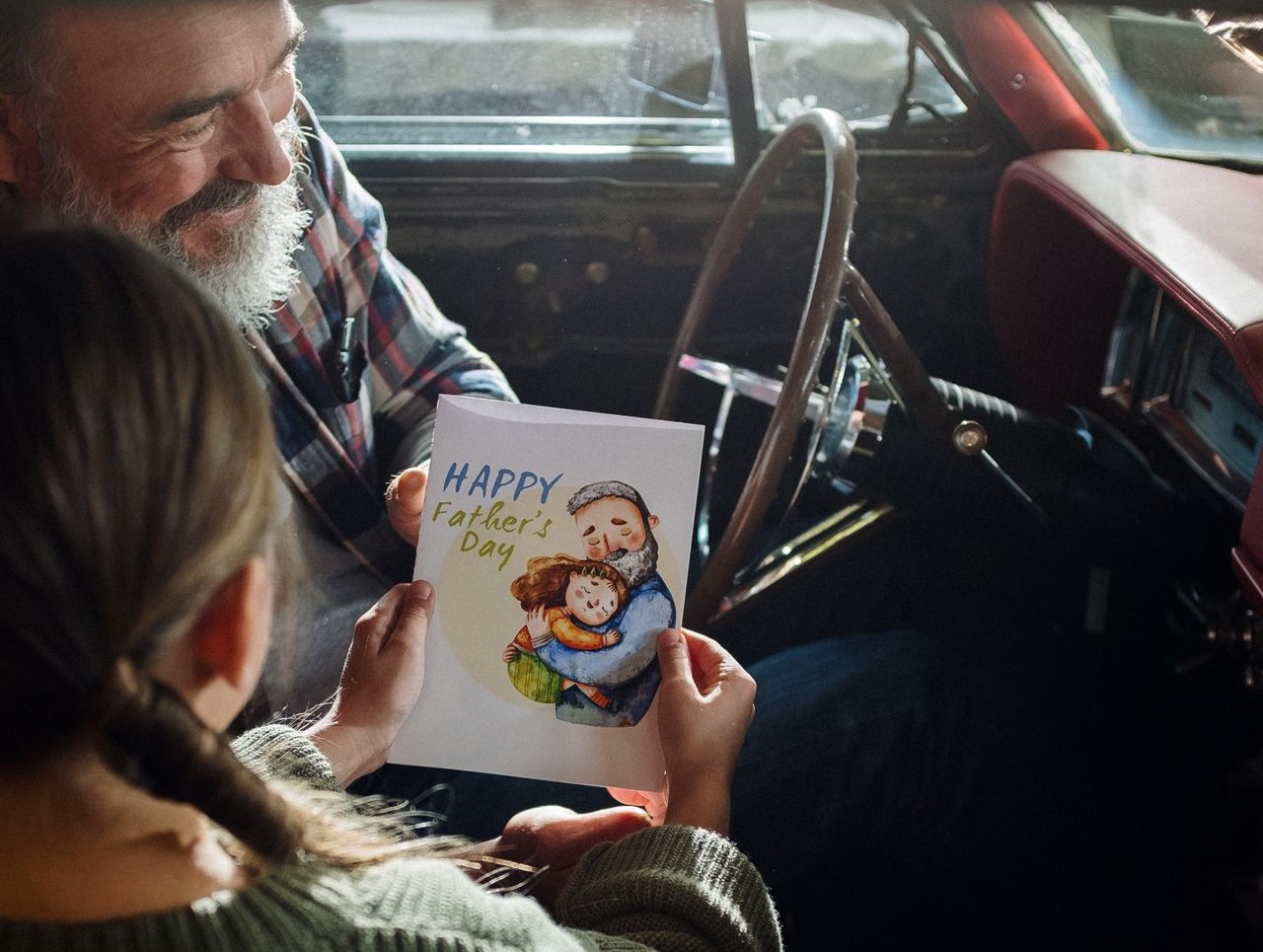
Fathers shape families in countless ways, offering strength, guidance, protection and love while building a legacy that can bless generations to come.
Lisa Britton
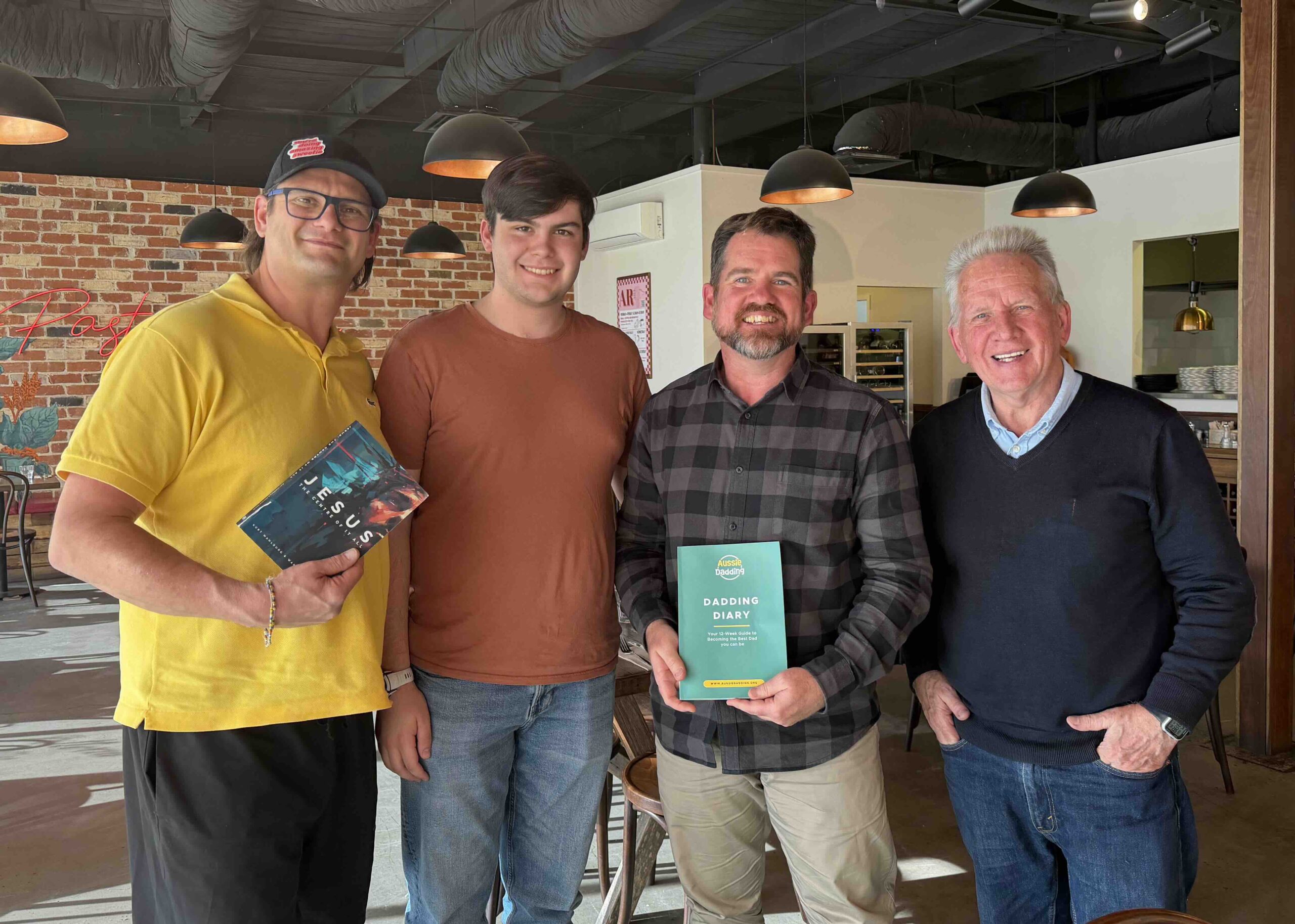
Aussie Dadding’s website and socials are a treasure trove of resources and great content for dads and their kids. I absolutely love what they’re doing.
Nathaniel Marsh

Every home has an emotional climate kids can feel but rarely name. Here's what shapes it, why it matters more than we realise, and how to build one that lets children thrive.
National Center for Fathering

A recap of the Grandparenthood podcast chat on the impact of dads, and a preview of the 2026 Men's Summit at Stanwell Tops, highlighting the National Grandparent Conference happening the same weekend.
Nathaniel Marsh
Raising kids is a lifelong lesson in our journey towards Heaven. Motherhood and fatherhood form us as parents, and we in turn form our children.
Byron and Francine Pirola

David Maywald's new book, "100 of the Best Books for Men", is a curated guide honouring authors and thinkers who illuminate manhood, character, and purpose.
Warwick Marsh
Men’s happiness is falling, especially among working-class men, as marriage and fatherhood decline. Restoring the value of fatherhood could help rebuild purpose, family, and hope.
Lisa Britton
A recent meta-analysis of 65 international studies has found that a father’s involvement in the life of his young children significantly predicts their social-emotional development, with the strongest benefits felt by daughters specifically.
Kurt Mahlburg

The year's halfway point is every dad's halftime break—a chance to reflect, reset, and finish strong by leading his family with greater purpose, presence, and intentionality.
National Center for Fathering
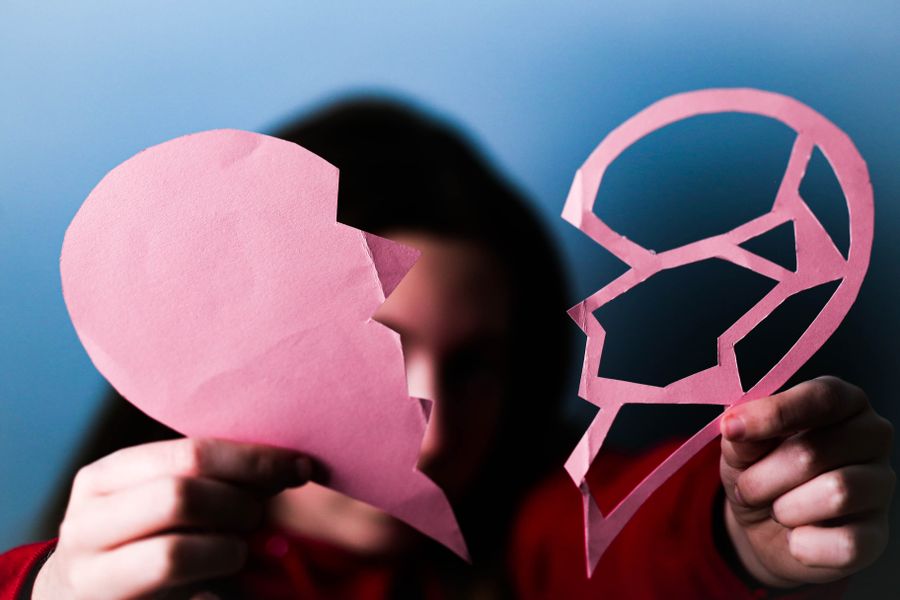
Behind DCJ's child protection mandate lies a system that too often criminalises innocent families through fabricated risk, bureaucratic power and a culture of impunity.
Patrick O'Connor

Young Aussie dads are more likely than their fathers’ generation to see being the financial provider as their core responsibility, according to a new national survey. The same study also found high levels of confidence and enjoyment in hands-on caregiving among Australian fathers.
Kurt Mahlburg
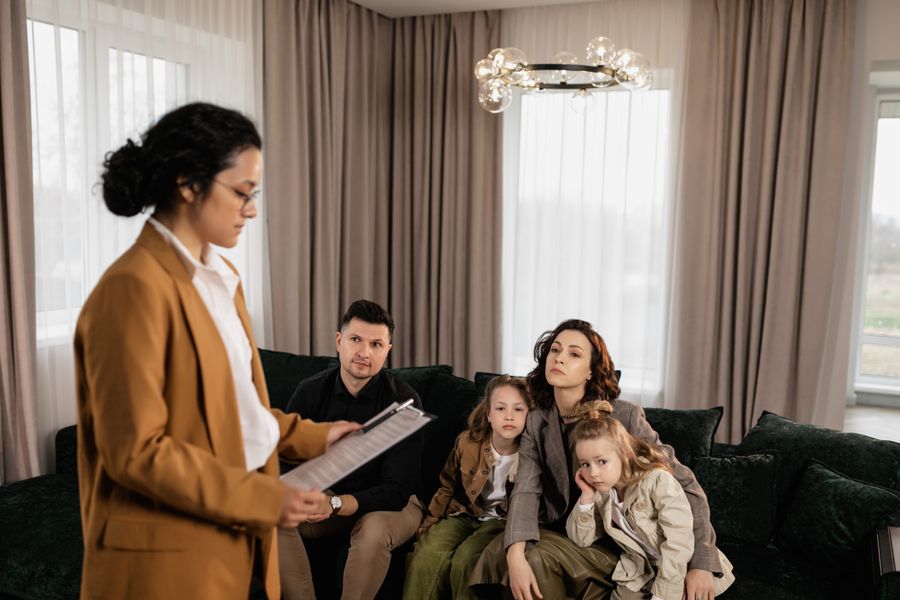
This article argues that systemic failures within New South Wales' child protection system have fostered a culture of coercion, weak accountability and bureaucratic overreach, with profound consequences for vulnerable families.
Patrick O'Connor

Why do some marriages unravel within a decade? Research suggests that what eventually breaks two married people apart often takes root in the first five years.
Byron and Francine Pirola
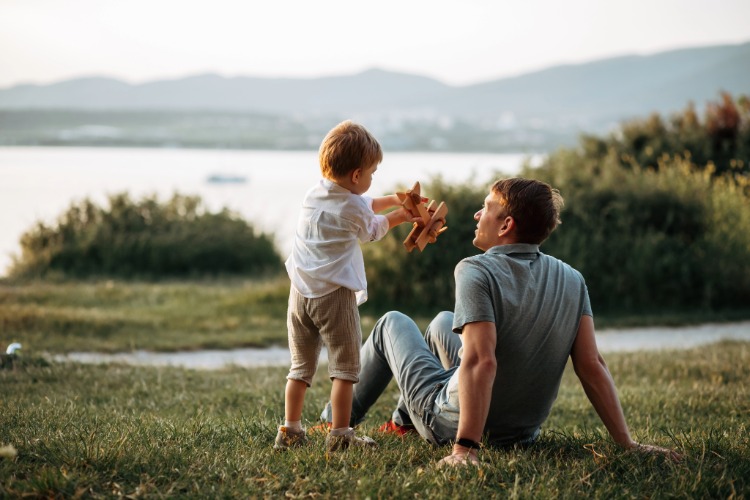
The International Council for Men and Boys (ICMB) is calling on the United Nations to restore fathers to its vision of the family. Fathers are not optional.
Lawrence DeMarco LLM
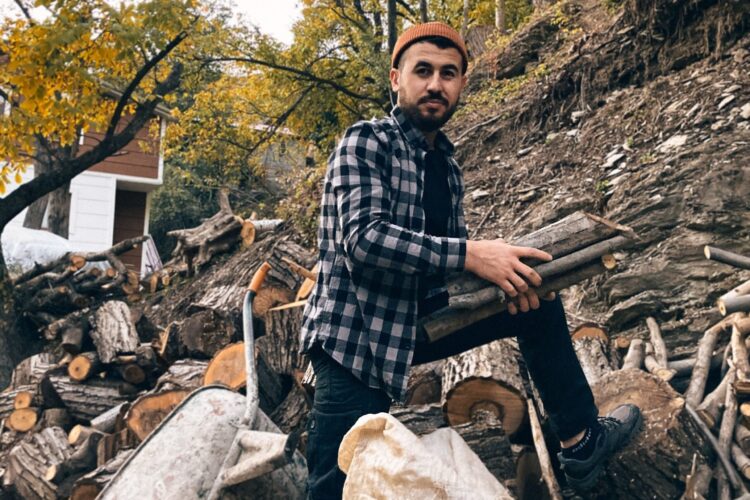
The idea that men throughout history were lazy and treated family as an afterthought is a modern myth that flattens the reality of male sacrifice.
Lisa Britton
News
Dads4Kids News is for writers to share insights, stories, the latest research and news to encourage dads and their families.
Most Read
The opinions of our writers are not necessarily the opinion of Dads4Kids. Please do your own research and come to your own conclusions. We welcome feedback and if you would like to submit an article to Dads4Kids, please contact the editor at info@dads4kids.org.au