
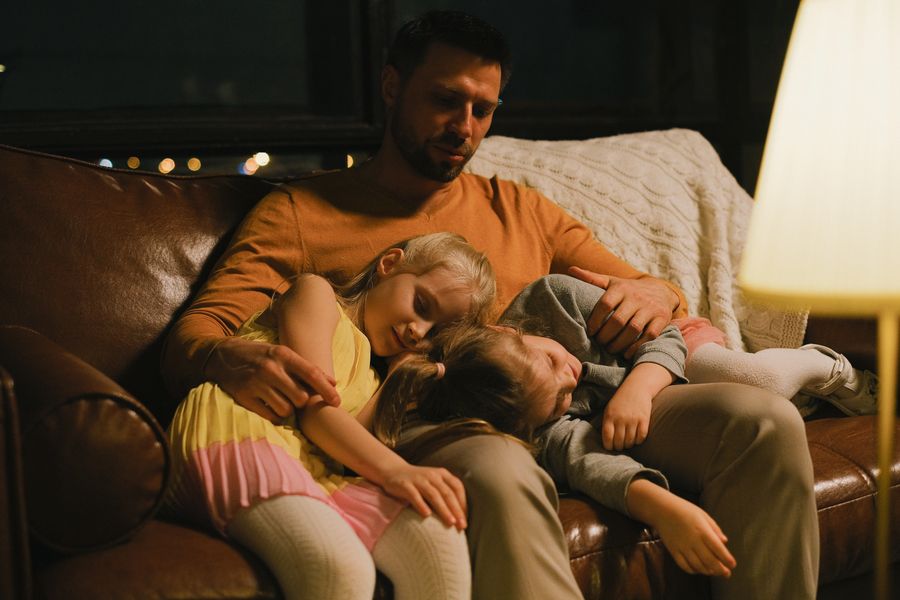
Tom is a tall man who can cover a lot of ground in a few strides, but on this particular afternoon, he isn’t covering much ground at all. He’s out walking with his two-year-old, and the two of them aren’t going to arrive anywhere soon.
His son has to stop for a bug at the edge of the grass, then for a paper cup blowing across the sidewalk, then for reasons that made sense to no one but him. Tom just walks beside him, matching his pace.
That’s a picture of what gentleness looks like in a father.
The word “gentle” can make men uneasy. It doesn’t sound like a virtue to pursue — more like an apology. But that’s a misread. Gentleness isn’t the absence of strength; it’s strength under control. The dad who doesn’t fly off the handle when his kid knocks something over, who doesn’t bark at a question he’s already answered twice — that dad isn’t weak. He’s determined that being a dad comes first, and he keeps his cool when it would be easier not to.
It shows up in the everyday moments too — the way you greet your kids when you walk in the door, the tone you use when you call them to dinner, the calm and steady presence they feel from you on an ordinary afternoon when nothing is going wrong.
The Preschool Years — and Beyond
The early years of fatherhood put this quality to the test: toilet training that isn’t going well, a child who asks why after every answer you give, a tantrum, a boundary pushed for the third time before dinner. Each of those moments calls for gentleness — not passivity, but steadiness.
If you’re in those years, you probably feel it every day. But the need doesn’t go away when your kids start school or become teenagers. A twelve-year-old who wants to tell you something you’ll find boring still needs a dad who stops and listens. A fifteen-year-old who pushes back doesn’t need a dad who pushes back harder. The specific demands change, but the need for gentleness doesn’t.
Maybe you’ve had this moment: you tell your two-year-old to stop making a mess with their porridge. They look you right in the eye — and dump another spoonful on the floor!
That’s exactly when gentleness matters. It doesn’t mean looking the other way — the behaviour still needs to be addressed. But you don’t get rattled, and you don’t let your toddler’s defiance pull you toward doing something you’ll regret. Being gentle means handling the situation as calmly as you can, knowing that testing a dad’s composure is, at this age, practically part of the job description.
Reactive vs. Proactive
Here’s what makes gentleness more difficult: stress changes us. When pressure builds at work, when the schedule is overloaded, when we’re just worn down, we start reacting instead of deciding.
A reactive dad tends to lose patience and let his frustration show when his kid messes up, talks back, or makes one more demand on his time. A proactive dad focuses on what’s most important and chooses how to respond. He’s slow to anger — not because nothing bothers him, but because he’s decided it won’t take over.
Don’t mistake gentleness for letting things slide. A gentle dad can still correct his children, hold the line, follow through on consequences. It’s just that the response is more likely to fit the situation — and less likely to damage the relationship in the process.
A Dad Your Kids Can Come To
One of the best things gentleness produces is kids who feel free to come to you. When a dad is calm and accepting, his kids pick up on it. They learn whether he’s safe to approach.
A ten-year-old who isn’t sure how Dad will react may think twice before telling him about a problem at school. A teenager facing something hard will figure out pretty quickly whether mum or dad is the safer conversation. Gentleness is what makes a dad approachable, and that keeps the door open for more important conversations down the road.
There’s a real difference between a child who obeys because they have to and one who responds because they want to. A dad who yells and intimidates may get compliance for a while, but a gentle dad earns something better: a child who responds because the relationship is strong, not because they’re forced to comply.
Every child is looking for a dad they can come to — someone who’s warm, who listens, who doesn’t make them feel like a problem to be managed. That’s what a gentle father is — a dad who has decided his kids are worth slowing down for.
___
Republished with thanks to Fathers.com. Image courtesy of Pexels.

Related News

Masculine men are the very thing we need — now more than ever in the battle of traditionalism versus progressivism. Though the media has attacked the vital value of gender itself, we know they’re wrong. We know male and female is how we’re made.
Guest Writer
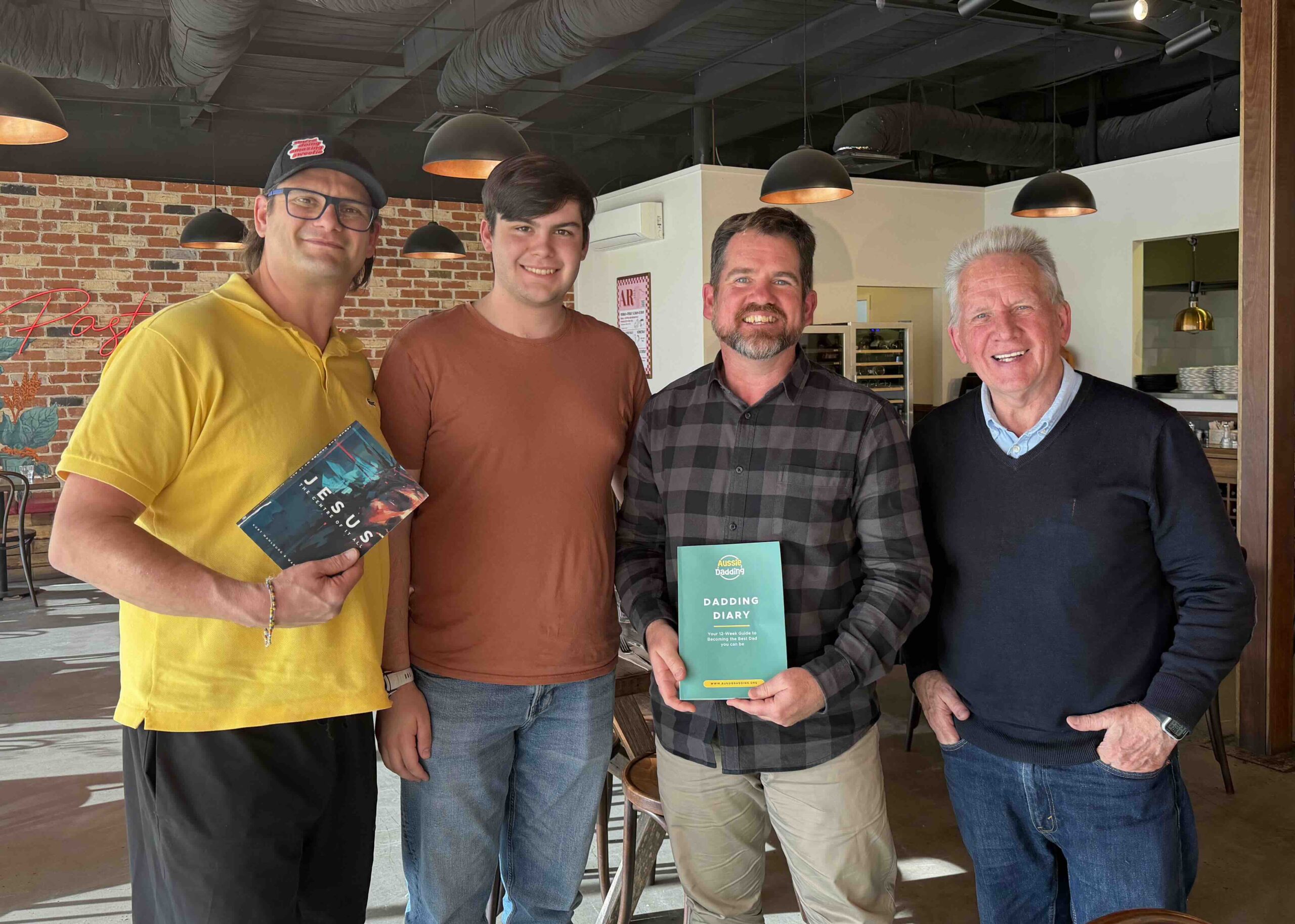
Aussie Dadding’s website and socials are a treasure trove of resources and great content for dads and their kids. I absolutely love what they’re doing.
Nathaniel Marsh
News
Dads4Kids News is for writers to share insights, stories, the latest research and news to encourage dads and their families.
Most Read
The opinions of our writers are not necessarily the opinion of Dads4Kids. Please do your own research and come to your own conclusions. We welcome feedback and if you would like to submit an article to Dads4Kids, please contact the editor at info@dads4kids.org.au