
The Gift We’d Rather Not Receive
July 29, 2026
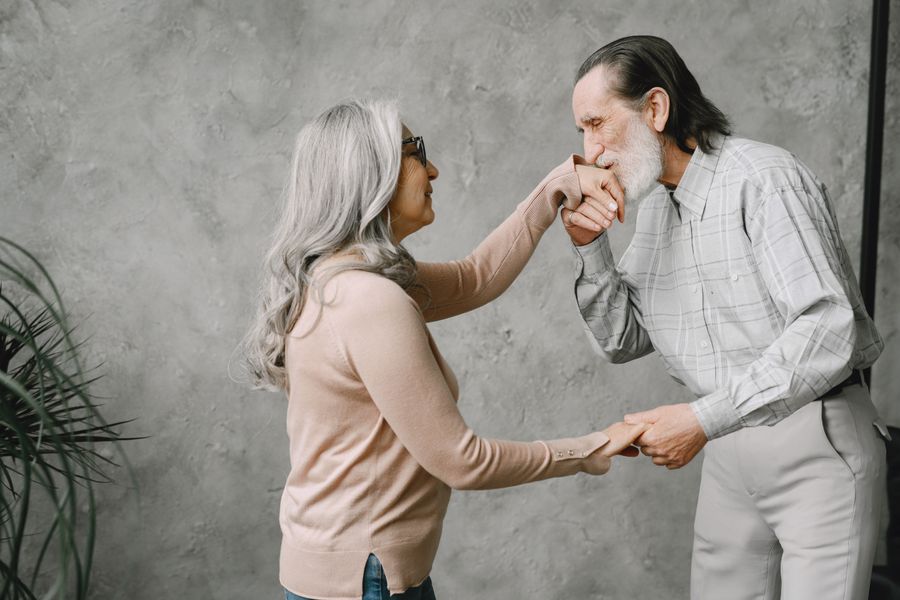
What the World Day for Grandparents and the Elderly can teach every marriage about frailty.
Most of us are far more comfortable giving help than receiving it. We pride ourselves on being the capable ones – the spouse who remembers, the parent who provides, the friend everyone calls in a crisis.
Competence feels like love. Productivity feels like worth.
So, when the day comes that we need help walking, remembering, or simply getting through, something in us recoils.
This year’s World Day for Grandparents and the Elderly, marked on 26 July, hands us a tender corrective. Its theme, drawn from the prophet Isaiah, is God’s promise: “I will never forget you” (Is 49:15) and focusses particularly on the gift of the elderly.
In his message, Pope Leo reminds us that the Lord has engraved our faces on the palms of his hands, and that his love for us is greater than a mothers for her child.
We are not remembered because we are useful. We are remembered because we are loved.
Fragility is not the enemy
The culture tells us a different story. It glorifies strength, speed and self-sufficiency, and quietly files frailty under “decline”.
But Pope Leo offers a startling reframe: “Do not be afraid of fragility!” Far from being merely an affliction to be managed, weakness “holds within itself a new potential”.
When we admit we cannot do it all alone, our hearts soften. We become open to one another, and to God.
This is something the elderly often understand better than the rest of us. Stripped of the busyness that once defined them, they discover that their worth was never in their output.
As St Augustine put it, God “is a mother because he cherishes, because he nourishes, because he nurses, because he protects”. The frail are uniquely placed to receive that tenderness and to teach us to receive it too.
A rehearsal we begin in marriage
We needn’t wait for old age to practise vulnerability. Marriage is the long, daily apprenticeship in being known and needed. Every “I can’t manage this on my own” spoken to a spouse is a small surrender, a crack in the armour of our self-reliance.
And here’s the surprising part: those moments don’t weaken a marriage. They deepen it.
When one of us is sick, frightened or simply spent, the other gets to do what love does best – show up.
To be cared for is to let our spouse see us at our least impressive and be loved anyway. That is the very thing we long for and the very thing our pride resists.
Yet if we never let ourselves be carried, we deny our beloved the gift of carrying us. We turn love into a one-way street.
The high achievers among us feel this most keenly. We would rather be the rescuer than the rescued.
But a marriage in which only one partner is ever allowed to be weak is not a marriage of equals; it is a performance. Real intimacy requires that we lay down the act and let ourselves be held.
What frailty reveals about God
Perhaps this is why God so often meets us in our weakness rather than our strength. He did not wait for us to have it all together; He came to us as an infant, utterly dependent, and ended up as a man nailed to a cross.
The God who “never forgets” is not impressed by our competence. He is moved by our openness to depend on Him.
As we honour our grandparents and the elderly this July, let’s resist the temptation to see only their losses. They are showing us our future and our truest self.
One day, each of us will need hands capable of tenderness, kind words, a face that remembers ours. When that day comes, may we have learned to receive it as grace.
Because in the end, we are not loved for what we can do. We are loved because, against all our striving, we were never forgotten.
___
Republished with thanks to SmartLoving. Image courtesy of Pexels.

Related News

We all get a bit of shock pretty early on in married life. For some, it is day 1: “This isn’t what I expected!” At some point, you will probably find yourself asking yourself the question: Is marriage worth it? Are you married? How has it been going for you lately? You wouldn’t be the first person to stop and ask yourself that question. Most of us men enter into marriage ...
Guy Mullon and Chris Field
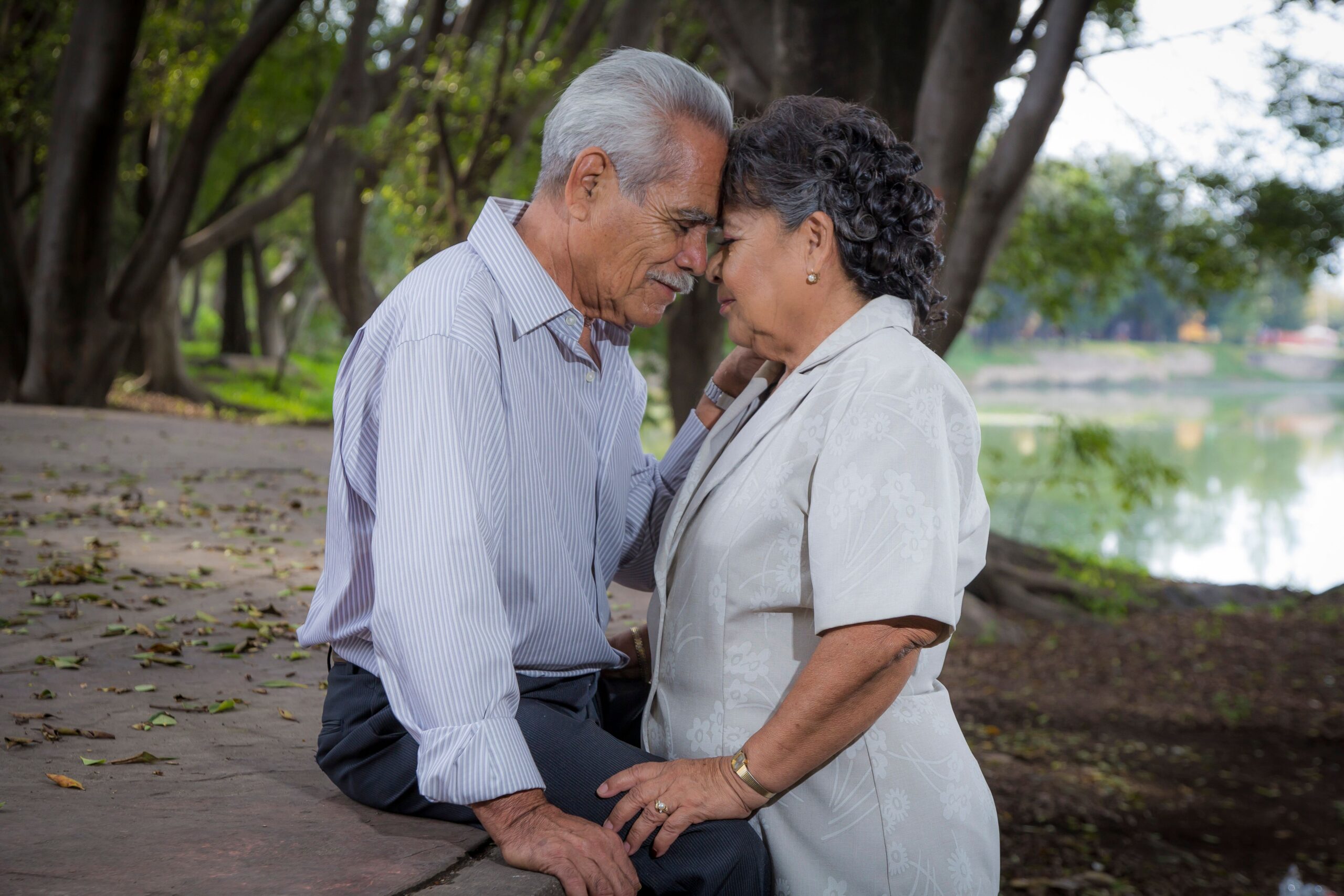
Marriage can gradually lose its spark as life pulls couples apart. But connection can be restored through acceptance, intentional time together, attentive listening, fewer distractions and renewed intimacy.
Larry Stockstill
News
Dads4Kids News is for writers to share insights, stories, the latest research and news to encourage dads and their families.
Most Read
The opinions of our writers are not necessarily the opinion of Dads4Kids. Please do your own research and come to your own conclusions. We welcome feedback and if you would like to submit an article to Dads4Kids, please contact the editor at info@dads4kids.org.au