
Criticism: The Not-So-Silent Killer
February 28, 2024
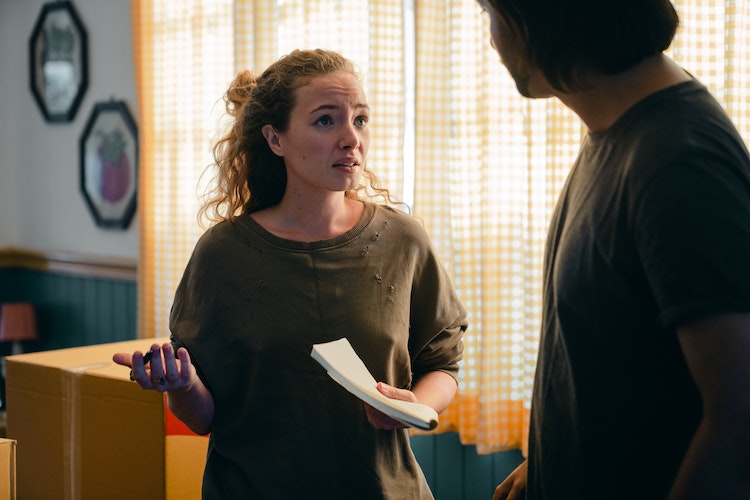
Criticism kills. It undermines our confidence and corrodes relationship trust. In relationship research, it is identified as one of four destructive relationship habits.
We’ve all experienced the negative impact of criticism, especially from loved ones. Sadly, it’s been present in our marriage and family far too often.
Most of our criticism originates in a complaint. The complaint might be legitimate, but when it is expressed with blame or judgement, it is always experienced as criticism.
When we approach the other in a critical mindset, we’re coming in fully armoured. It rarely works to resolve the issue as the other feels attacked and automatically reacts defensively.
Recognising Criticism
Most of us have no trouble recognising criticism when we receive it – it hurts! We feel judged, shamed, rejected, demoralised.
However, we tend to be less aware of when we are being critical. With that in mind, here are some common patterns.
- Exaggeration. We take a single incident and make global statements about it. “You always…”, or “You never…”.
- ‘Should-ing’. When we talk about what the other “should do” or “should say”, we imply that what they are doing or saying is wrong or deficient.
- Teasing. We jest, parody, or make jokes about the other. Teasing is criticism disguised as humour.
- Redirects. We criticise someone else to send a not-so-subtle message to our listener.
- Loaded questions. We demand an explanation with the clear implication that the other is wrong. “Why did you do that?!”
- Denial. We try to disguise it by saying, “I’m not criticising you, but… [fill the blank with some judgement].”
- Sarcasm. Our words are neutral or affirming, but our tone or implied meaning is critical. “That’s an interesting choice.”
- Fixing. We use actions rather than words to communicate our superiority and criticism of the other by fixing something they did ‘wrong’.
For us, this list is like an examination of conscience. It’s hard to go a single day without some of these behaviours manifesting in one of our relationships.
Why Do We Do It?
None of this is new to us, so the question remains – why do we do it? Why do we continue to criticise each other or our children, when we know full well the damage it causes?
When we feel frustrated or hurt by something the other said or did, our self-protective instinct is activated. One of the best ways to protect our wounded heart, is to adopt a hard, angry, offensive posture.
Even if we manage to control our words, a condescending tone or irritable re-direct can still imply criticism. That’s because our emotional state will always find some way to express itself.
The only effective way to deal with our critical tendencies, is to do the interior work. In the cut and thrust of the day-to-day that’s not always possible in the moment, which is why we need to proactively prioritise time for self-reflection and prayer.
Such a practice helps us name our emotions and identify the needs that are not being fulfilled. Prayerful self-reflection helps us connect with a more tender part of ourselves and allows us to bring our needs to the Lord.
From there, from a place of vulnerability and openness, we can approach the other with non-judgmental curiosity. We can broach the subject of our complaint with a respectful request which is more likely to be positively received.
Criticism kills. It crushes self-confidence and poisons the trust between us. It also smothers self-growth by directing our energies to the wrong thing – what the other did or said, rather than our internal reaction.
Vulnerability is risky, but it’s the only way to build a relationship of trust and tenderness. It’s also the way of love to which Christian couples are called.
___
Originally published at SmartLoving. Photo by Ketut Subiyanto.

Related News

The desire to change other people is natural but it will only lead to frustration. You will enjoy the most success and contentment in life when you focus not on changing people but changing yourself. If only my children were more helpful and cooperative… If only I had a smaller behind and a prettier face… If only they understood me better… If only everyone in this house was more considerate… If ...
Annette Spurr

Couples who marry in the church, and not just at the church, have a very different idea of what marriage should be. Marriage, or Matrimony, for them is a covenant, a sacred promise made, not only to each other, but also to the Church.
Byron and Francine Pirola
News
Dads4Kids News is for writers to share insights, stories, the latest research and news to encourage dads and their families.
Most Read
The opinions of our writers are not necessarily the opinion of Dads4Kids. Please do your own research and come to your own conclusions. We welcome feedback and if you would like to submit an article to Dads4Kids, please contact the editor at info@dads4kids.org.au