
Children and Family Bonds
November 10, 2026
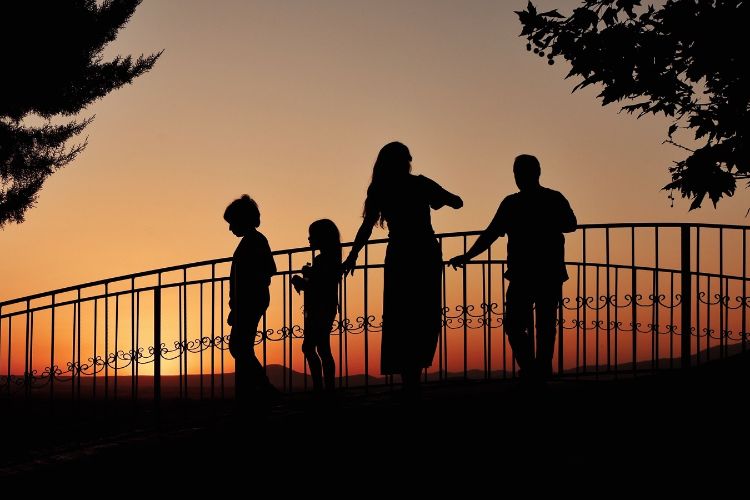
The issue of children permanently losing contact with siblings and extended family following intervention by the New South Wales Department of Communities and Justice (DCJ) is one of the most significant yet under-examined consequences of contemporary child protection practice.
While child protection agencies are entrusted with safeguarding vulnerable children from abuse and neglect, growing criticism has emerged regarding the long-term social, psychological and emotional consequences of removal decisions.
This article argues that child removal by DCJ often extends far beyond the immediate objective of protection and may result in the permanent fragmentation of families, the destruction of sibling relationships and the erosion of a child’s identity.
Children, Family Bonds and Human Development
Children are not isolated individuals who exist independently of their familial relationships. Rather, they develop through attachment to parents, siblings, grandparents and wider kinship networks. Developmental psychologists have consistently emphasised that healthy emotional growth depends upon stable and enduring relationships with significant caregivers and family members.
Siblings, in particular, occupy a unique position within a child’s life. Brothers and sisters often provide companionship, emotional security, continuity and mutual support throughout childhood and adulthood. For many children, sibling relationships are the longest-lasting relationships they will ever experience. Consequently, separation from siblings can be profoundly traumatic and may generate feelings of grief, abandonment, confusion and loss.
When state intervention results not only in removal from parents but also in permanent separation from brothers and sisters, the consequences extend far beyond temporary disruption. Such intervention may fundamentally alter the trajectory of a child’s life.
The Removal of Children and the Concept of Permanent Family Dissolution
Officially, child removal is intended to protect children from immediate risk of significant harm. Government policy generally presents removal as a temporary intervention undertaken only when less intrusive alternatives have failed. Restoration to parents is often described as a primary goal within child welfare systems.
However, the practical reality frequently differs from policy aspirations. Critics argue that once a child enters the out-of-home care system, pathways towards reunification become increasingly narrow. Court orders, administrative decisions, placement instability and lengthy bureaucratic processes can combine to create circumstances in which family restoration becomes progressively less achievable.
As time passes, the child develops new attachments within foster placements or alternative care arrangements. Simultaneously, parental opportunities for restoration may diminish due to strict compliance requirements, procedural barriers or limited access to support services.
In many cases, the initial temporary separation gradually transforms into a permanent one. This phenomenon may be described as ‘permanent family dissolution’, a process through which state intervention effectively terminates meaningful family relationships despite the absence of any explicit legal declaration abolishing those relationships.
The Destruction of Sibling Relationships
Among the most devastating consequences of child removal is sibling separation. Brothers and sisters are frequently placed in different homes due to shortages of carers, administrative convenience or differing assessments of individual needs. Once separated, contact may become infrequent, irregular or entirely absent.
Over time, emotional bonds weaken not because children choose separation but because opportunities for maintaining relationships disappear. Young children may lose memories of their siblings altogether. Older children may experience profound grief as cherished relationships gradually fade.
The emotional consequences can persist well into adulthood. Former children in care frequently report feelings of incompleteness, unresolved loss and lifelong regret associated with sibling separation. Many spend decades attempting to locate brothers and sisters from whom they were separated by government intervention.
The tragedy is that such relationships can never truly be replaced. Foster carers, support workers and professionals may provide care and assistance, but they cannot recreate the unique emotional bonds shared between siblings.
Identity, Belonging and Cultural Disconnection
Family relationships play a central role in shaping personal identity. Through family, children learn who they are, where they came from and how they fit within the broader social world.
When children lose contact with parents, grandparents, siblings and extended relatives, they frequently lose access to family narratives, traditions, cultural practices and shared histories. This can generate profound identity confusion.
Children raised away from their families may struggle to answer fundamental questions concerning their origins, heritage and place within society. As adults, many report feelings of alienation and disconnection stemming from the absence of meaningful family connections during childhood.
For Aboriginal and Torres Strait Islander children, these concerns are particularly significant. Historical experiences demonstrate the devastating consequences of policies that separate children from their families, communities and cultural identities. Contemporary child protection practices must therefore be examined carefully to ensure that similar patterns of cultural dislocation are not reproduced.
Psychological Consequences of Family Separation
The psychological effects of long-term family separation are well documented within attachment theory and trauma literature. Children who experience abrupt removal often confront multiple losses simultaneously. They may lose their parents, siblings, home environment, school, neighbourhood and familiar support networks within a single event. Such losses can create significant emotional distress.
Research consistently indicates that childhood separation from primary attachment figures increases the risk of anxiety, depression, low self-esteem, trust difficulties and relationship problems later in life. The emotional trauma associated with removal may persist even when alternative placements provide physical safety.
Consequently, child protection systems must consider not only immediate safety concerns but also the profound and enduring consequences that family separation has upon children’s lives.
A particularly troubling example involves a brother and sister who were separated following state intervention. The sister was removed in 2016, yet more than six years later, the siblings had still not been reunited. Such circumstances illustrate how temporary child protection measures can evolve into permanent family fragmentation.
The continued separation of siblings for extended periods raises fundamental questions concerning proportionality, accountability and the extent to which child welfare systems genuinely prioritise the preservation of family relationships. Where sibling bonds are severed for years, the resulting emotional and psychological harm may be significant and, in many cases, irreversible.
The Need for Family Preservation
A growing body of scholarship advocates greater emphasis upon family preservation rather than family separation. This approach recognises that, wherever safely possible, children benefit from remaining connected to their families and communities. Family preservation requires substantial investment in early intervention, parental support, housing assistance, mental health services, addiction treatment and practical family support.
Rather than focusing primarily upon removal after crises emerge, governments should prioritise addressing the underlying factors that contribute to family difficulties. Where removal becomes necessary, maintaining sibling and family relationships should remain a central objective. Regular contact, kinship placements and robust restoration efforts can reduce the risk of permanent family fragmentation.
Conclusion
The removal of children by the NSW Department of Communities and Justice raises profound ethical, social and psychological questions. While protecting children from genuine harm remains an essential function of the state, the long-term consequences of removal cannot be ignored. For many children, intervention results not merely in temporary protection but in the permanent loss of parents, siblings, relatives and family identity.
The separation of brothers and sisters is particularly damaging because it destroys relationships that often provide lifelong emotional support and continuity. When children never see their siblings again, the effects may reverberate throughout adulthood, shaping identity, well-being and future relationships.
A humane and effective child protection system must therefore balance the imperative of safety with an equally important commitment to preserving family connections wherever possible. Protection should not become synonymous with family dissolution. Rather, the ultimate measure of success should be a system that safeguards children while preserving the relationships, identities and bonds that make childhood meaningful and human.
Within the New South Wales child protection system, what begins as ‘protective action’ too often ends as lifelong disappearance. Families and siblings are left without answers and without recourse. A society that allows this to continue cannot claim moral legitimacy.
Child protection cannot be built on irreversible separation; it must be grounded in accountability and a genuine commitment to ‘restoration’. Until the system is rebuilt around this, the disappearance of children into state care will remain one of the most profound human rights failures in modern Australia.
Ultimately, the measure of a civilisation is its treatment of those who cannot defend themselves. When a government removes children and never returns them, it is not safeguarding the future; it is extinguishing it. A nation that fails its children fails itself.
___

Related News

Fatherhood matters more than ever. In a culture confusing boys about identity and purpose, dads are called to lead with love, strength, and intentional guidance to help sons grow into grounded, resilient men.
National Center for Fathering

The year's halfway point is every dad's halftime break—a chance to reflect, reset, and finish strong by leading his family with greater purpose, presence, and intentionality.
National Center for Fathering
News
Dads4Kids News is for writers to share insights, stories, the latest research and news to encourage dads and their families.
Most Read
The opinions of our writers are not necessarily the opinion of Dads4Kids. Please do your own research and come to your own conclusions. We welcome feedback and if you would like to submit an article to Dads4Kids, please contact the editor at info@dads4kids.org.au