
It’s Men’s Health Month
June 1, 2026
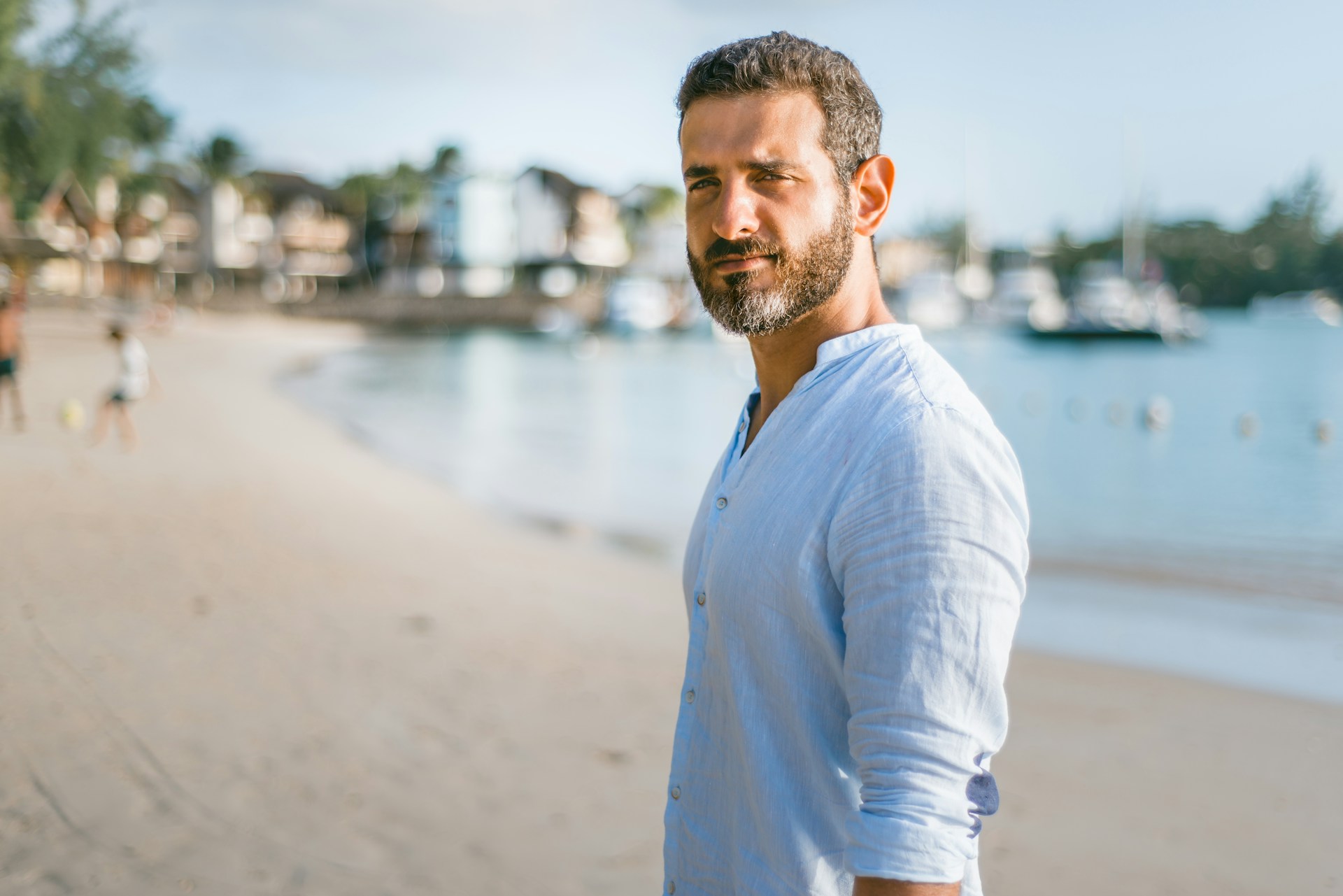
The health of our husbands, boyfriends, sons, fathers, and male friends matters, too.
There’s a pervasive narrative today that women’s health is the one being neglected. Campaigns, billions in funding, and endless media attention pour into women’s issues globally. But the data tells a different story: men’s health is in crisis, and it’s being ignored.
Worse, when the conversation does come up, too many people point the finger at men themselves—as if their declining physical, mental, emotional, and spiritual well-being is somehow all their own fault, as women’s health concerns are society’s. This is not only untrue; it’s a dangerous hypocrisy rooted in ideological thinking that paints men as inherently privileged and unworthy of support.
The Silent Crisis in Men’s Health
This Men’s Health Month, it’s time to confront reality head-on. In America, there are eight federal offices dedicated to women’s health across agencies like HHS, CDC, NIH, and FDA—yet zero equivalent offices focused on men. Zero. Does that sound like balanced concern for half the population to you? Equality?
Men die younger, suffer more severely from preventable conditions, and receive far less targeted advocacy. Funding for women’s health initiatives continues to expand dramatically, while men’s disparities (costing society billions, just to let you know) are met with shrugs or shame and blame.
The statistics are stark and heartbreaking. Men are approximately four times more likely to die by suicide, accounting for nearly 80% of all suicide deaths. They have higher mortality rates from 14 out of the 15 leading causes of death, including heart disease, cancer, accidents, chronic respiratory diseases, diabetes, and more.
Men’s life expectancy is lower than women’s, a gap that has widened in recent decades. Men account for the vast majority of overdoses. This isn’t biology alone at play; it’s compounded by very real societal neglect. Neglect that many of us have been sounding the alarm on for a very long time to deaf ears.
And it’s not just physical health. Mental and emotional health are crumbling. We face a loneliness epidemic among men, particularly young ones who feel lost, purposeless, and disconnected. Economic health is faltering too: fewer men are participating in the workforce, as entire sectors shift toward traits and roles that favour women. Healthcare, education, and service industries boom while male-dominated fields like manufacturing and construction stagnate or decline.
Boys are falling behind in school, young men are opting out, and the result is a generation adrift. Society has dismantled traditional male pathways to purpose like provider, protector, and builder, while offering little in return except criticism.
I don’t believe this is “men’s fault.” It’s truly society’s failure. For decades, ideological frameworks have framed men as the privileged class, the oppressors, the ones who must “check their privilege” rather than receive empathy or resources. This view dismisses male vulnerability as weakness or toxicity.
It celebrates women’s empowerment while demonising masculinity. Boys are told their natural energy is problematic in feminised classrooms. Men are shamed for seeking help, for struggling economically in a changing economy, or for the very traits like ambition once valued in building our civilisation.
The hypocrisy is glaring: we demand “equality” but only fund and spotlight the side that fits the narrative. If the roles were reversed—women dying disproportionately, isolated, economically sidelined—the outcry would be deafening. Yet when it’s men, silence or scorn is all we get.
The Human Cost of Neglect
Where’s the compassion? This is ideology over evidence. Men are not privileged when they comprise the vast majority of workplace deaths, homelessness, incarceration, and suicide. They aren’t “inherently advantaged” when cultural messages destroy their sense of value. Blaming “men!” for systemic issues like the education systems that disadvantage boys, media that mocks traditional manhood, and economic policies that overlook male needs perpetuates the crisis. It’s time to end this.
Changes must be made at every level: cultural, policy, and personal. We have to reject the zero-sum thinking that helping men diminishes women. Healthy men strengthen families, communities, and nations!
So, this Men’s Health Month, I’m doubling down in my writing, advocacy, and think-tank work to spotlight these truths. I’m heading to Washington DC yet again. To the men reading this: you matter. Your health matters. You are not disposable. To the women who love them as wives, mothers, sisters, daughters… we see how this crisis ripples through our lives. Strong, healthy men lift us all.
It’s time to tell the men of this nation they are the pillars of our families, communities, and country. End the hypocrisy. Discard the outdated ideology that views men as privileged oppressors. Invest in balance. Create cultures that value men’s unique strengths and struggles. That’s when we can build a truly equitable society—one where every person’s health, man or woman, truly counts.
Let’s go!!!
___
Image courtesy of Unsplash.

Related News

When I called for men to talk about their mental health, I wasn’t sure what the response would be. But the comments from readers show that many men do want to speak about their emotions, although they feel they are not being heard.
Guest Writer

I was speaking at a DIDS meeting in rural New South Wales last night and I was commending the group for becoming real lifesavers in reaching out to each other in support. I told them that this country was once renowned for its mateship, and sadly I believe we have lost that somehow. We have lost the knowledge of what being a mate is all about. It is my belief that ...
Tony Miller
News
Dads4Kids News is for writers to share insights, stories, the latest research and news to encourage dads and their families.
Most Read
The opinions of our writers are not necessarily the opinion of Dads4Kids. Please do your own research and come to your own conclusions. We welcome feedback and if you would like to submit an article to Dads4Kids, please contact the editor at info@dads4kids.org.au