
Defending Our Hearts
February 21, 2024

Is defensiveness crippling your relationship? Do you feel regularly on edge, reactive and punchy? Read on for our process for managing defensiveness.
Recently, Byron shared a new idea with Francine. Instead of encouragement, Francine responded with, “When will you get time to do that?!” The conversation immediately terminated in gloomy withdrawal.
Afterwards, we unpacked the discussion. Francine explained that she was trying to protect her heart from future disappointment. Byron revealed how he feared he would be blamed for the strain his work puts on our relationship.
Sigh. We wish it weren’t so, but clearly, after 30+ years of marriage, we are still very much trying to master the art of relationship.
In this case, we were both reacting defensively. Defensiveness is a self-protective response to a perceived judgement, criticism, rejection, or risk of future disappointment.
While it is a natural reaction, ironically, it rarely protects our hearts. In fact, highly respected relationship scientist Dr John Gottman says that a pattern of defensiveness is profoundly destructive. It has led him to name ‘Defensiveness’ as one of the relational “Four Horsemen of the Apocalypse”.
Defended hearts become hardened hearts
While the intention of our instinctual reaction is to protect ourselves from harm, three things happen in a chronically defended state.
The first is that we become primed for disappointment. We’re constantly on the lookout for how our spouse is failing us, with our confirmation bias seeking the negative interpretation of every word, action, and expression from the other.
The second is that we avoid addressing our interior wounds. Instead, we go on the attack; pushing back, finding fault with the other, and giving excuses as to why something is not right, won’t work, or won’t help.
This leaves our interior healing, undone. And that makes it harder for us to connect, just when we most need and crave the other’s love.
Thirdly, we are closed to growth. None of us are perfect, and our rough edges show up most acutely in our intimate relationships. We both need to hear from our loved ones how we can be better, holier, more of the person God created us to be.
When we are in a defended state, we are closed to these prompts from our spouse. All our energy goes into protecting ourselves rather than learning the lessons and leaning into growth.
Resetting
The good news is that we can take intentional action to reset a defensiveness pattern.
The first step is to recognise and own when we are operating from defensiveness and call a ‘time out’. When we’re emotionally defended and physiologically aroused, we need to step out of the hot zone, separate, and calm our nervous system.
Before reconnecting, we prayerfully examine the factors at play in our exchange, including our thoughts, beliefs, emotions, and needs. Asking, “I wonder why I am reacting like this?” helps us maintain non-judgemental curiosity as we invite God to reveal the root cause of our defensiveness.
Often, there is some deeper unresolved wound or issue from our past that was triggered by our hapless spouse. Understanding the roots helps us own our reaction rather than blaming our spouse.
When we’re ready, we reconnect, acutely aware of the sacred trust required to open our wounded hearts to the other. Timing is important for this conversation, so it’s best to choose a time when we can both give it our full attention.
Finally, we each ask what the other most needs from us right now. It might be a hug, an affirmation of our goodness, more time together or some time apart.
A process like this won’t prevent us from being triggered or becoming defensive, but it will contain the damage and facilitate a quicker recovery. And with every successful application, we become more self-aware, more confident in our love.
___
Originally published at SmartLoving. Photo by Helena Jankovičová Kováčová.

Related News
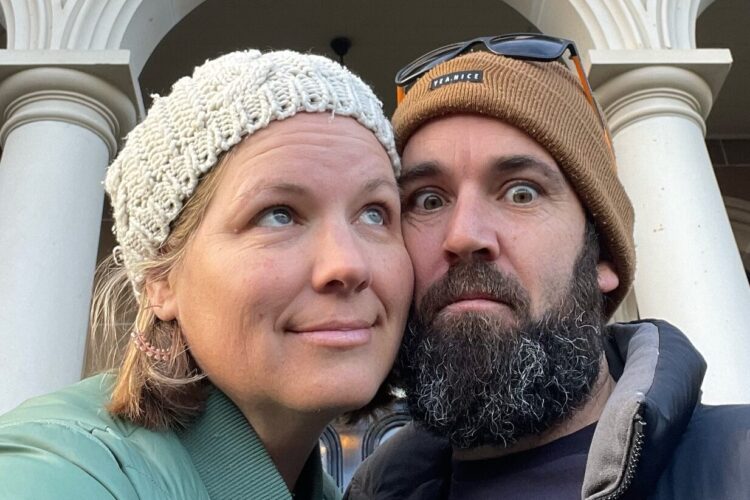
After 20 years of marriage, Matt and Alecia Zoccoli, dear friends of Dads4Kids, posted a 1-minute video revealing what they learnt to keep their relationship healthy and strong. Enjoy!
Warwick Marsh

A gentle call to reclaim our attention from digital distractions, restore presence in our homes, and make room for deeper relationships with device-free time.
Byron and Francine Pirola
News
Dads4Kids News is for writers to share insights, stories, the latest research and news to encourage dads and their families.
Most Read
The opinions of our writers are not necessarily the opinion of Dads4Kids. Please do your own research and come to your own conclusions. We welcome feedback and if you would like to submit an article to Dads4Kids, please contact the editor at info@dads4kids.org.au